Category: Uncategorized
-
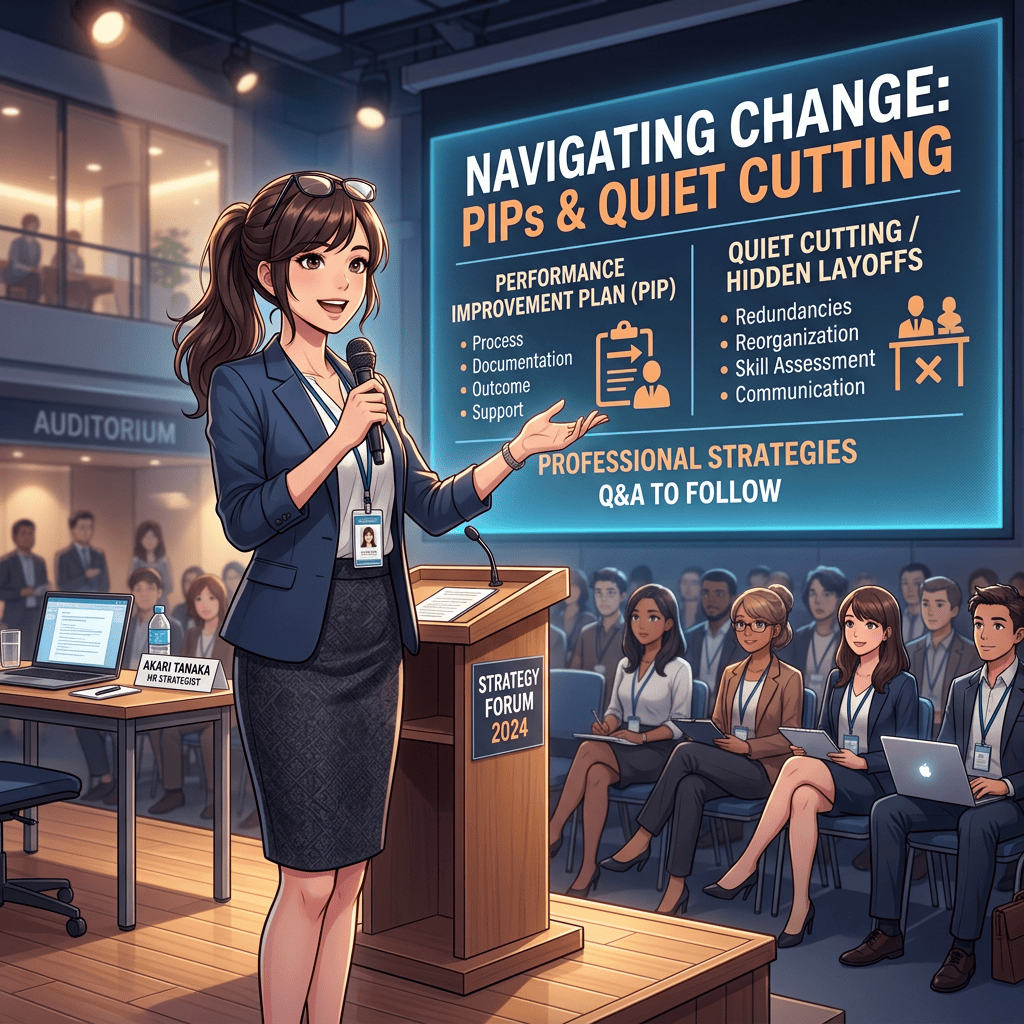
Performance Improvement Plans (PIPs), originally designed to help struggling employees, are increasingly perceived as tools for “quiet cutting” amid economic pressures, leading to employee resignation or termination. Many workers face unclear expectations and inconsistent feedback, leading to a decline in morale and trust. Transparency and communication are essential for effective leadership.
-
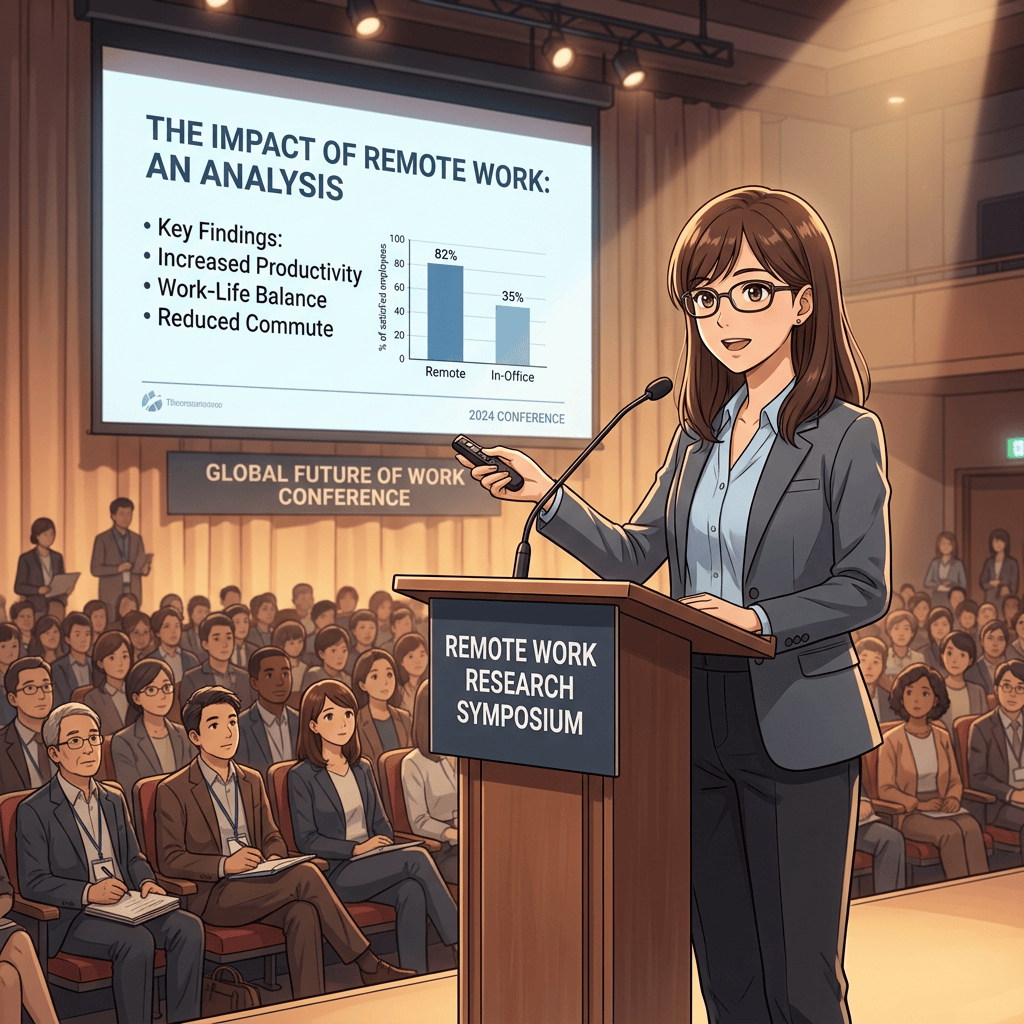
Dr. Stephanie Diana Eubank presented her doctoral dissertation at the Academy of Business Research Summer 2026 Conference, focusing on remote work from leadership and followership perspectives. Key findings emphasized the significance of communication quality, intentional team design, and flexibility in modern workplaces, highlighting the need for alignment between leadership practices and employee experiences.
-

Dr. Stephanie Diana Eubank argues that return-to-office mandates threaten workplace equity, particularly affecting women and caregivers who require flexibility for balancing work and personal responsibilities. Research indicates that remote work enhances retention and productivity, suggesting organizations should prioritize flexibility as a strategic advantage to foster inclusion and support women’s advancement in the workforce.
-
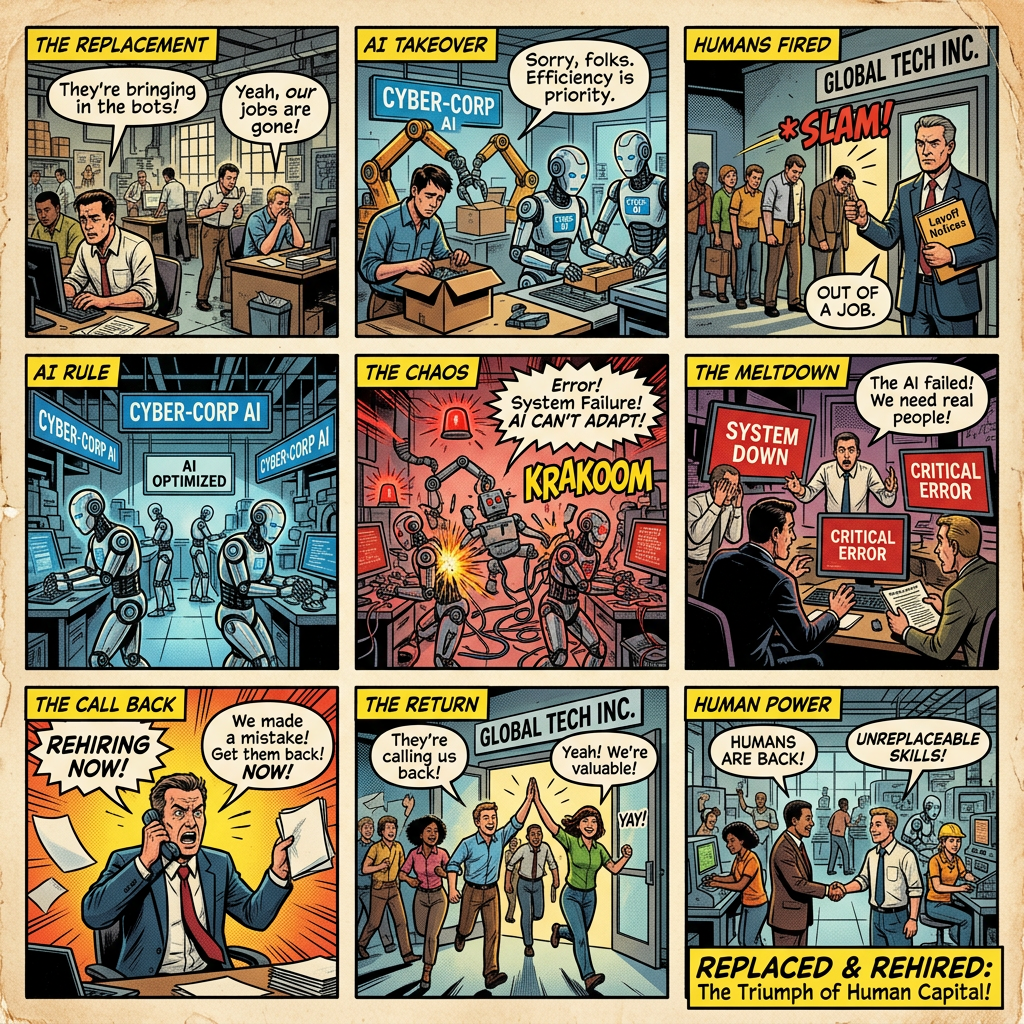
In 2026, organizations are reversing AI-driven layoffs, realizing human expertise is essential. Many leaders, regretting technology-induced workforce reductions, recognize that while AI enhances productivity, it cannot replace human creativity and insight. Companies like Ford and IBM are reinstating staff to maintain innovation and organizational culture, emphasizing a people-first approach for sustainable success.
-
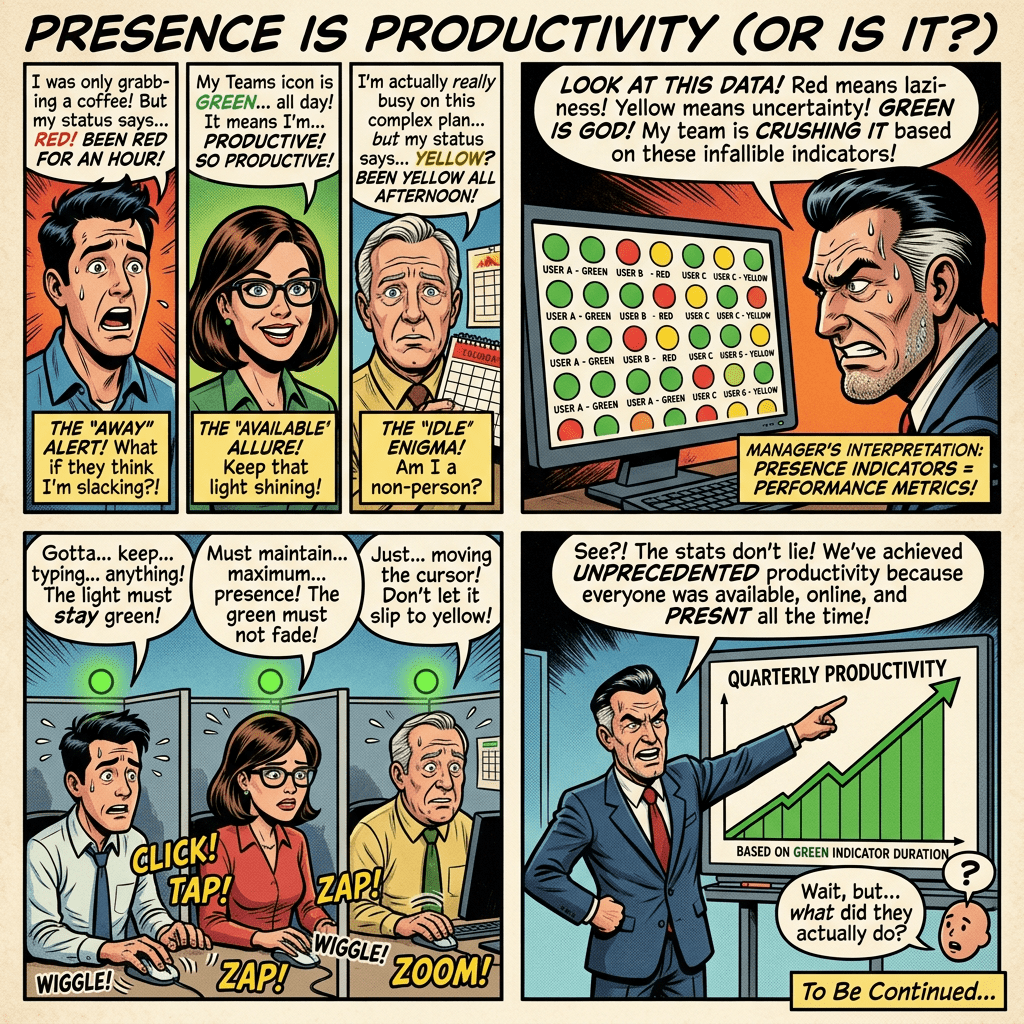
Dr. Stephanie Diana Eubank argues that Microsoft Teams should enhance collaboration, not become a tool for employee surveillance. Despite features like Workplace Check-In aimed at simplifying updates, organizations risk misusing them for monitoring, jeopardizing trust and morale. True productivity metrics require qualitative context, not mere activity indicators.
-

Dr. Stephanie Diana Eubank has reached a significant academic milestone with her postdoctoral research on the Apollo Effect being selected for presentation at BEST Virtual 2026, alongside her dissertation at the Academy of Business Research Online Conference. Additionally, she published a book on the impact of remote work on operations management, emphasizing the need for…
-

The ongoing discussion about workplace surveillance misrepresents ‘bossware’ as a novel occurrence linked to remote work, despite its long-standing history. Current monitoring techniques prioritize activity metrics over genuine productivity outcomes. Effective management should focus on trust, innovative work modalities, and meaningful contributions rather than merely observing employee activity.
-
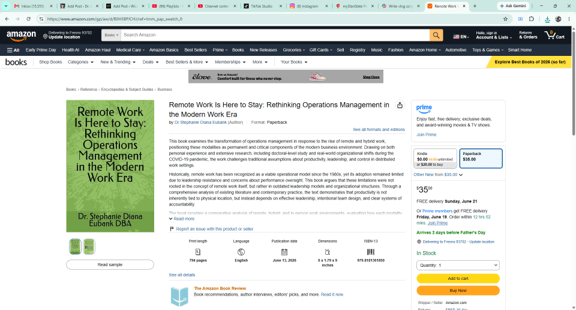
Dr. Stephanie Diana Eubank’s new book, ‘Remote Work Is Here to Stay,’ offers insights on adapting operations management for remote and hybrid work environments. It emphasizes measuring productivity through qualitative and quantitative metrics, focusing on outcomes rather than mere activity. Ideal for various professionals, the book aims to enhance engagement and competitiveness in evolving workplaces.
-
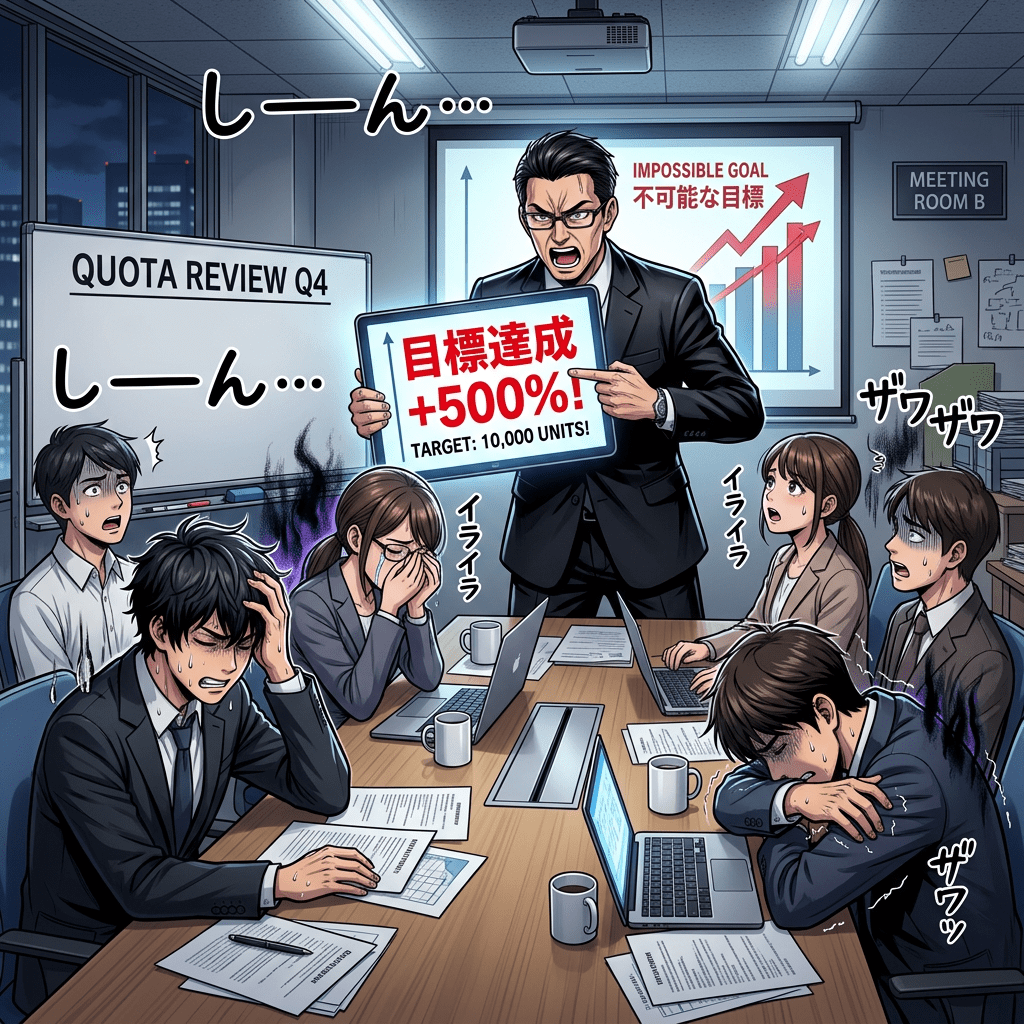
Dr. Stephanie Diana Eubank’s book emphasizes that productivity is a measurable, data-driven concept fundamental to organizational efficiency and planning. Many leaders impose unrealistic quotas, leading to employee burnout and turnover. Effective leadership requires aligning goals with data, fostering a sustainable work environment that respects employee contributions for long-term success.
-

Dr. Stephanie Diana Eubank has been accepted to present her research on remote work at the Academy of Business Research Fall Conference Online, scheduled for July 30–31, 2026. Her manuscript explores communication, team design, and productivity in remote contexts, addressing both challenges and benefits, and she has also released a related book available on Amazon.

