Category: Uncategorized
-
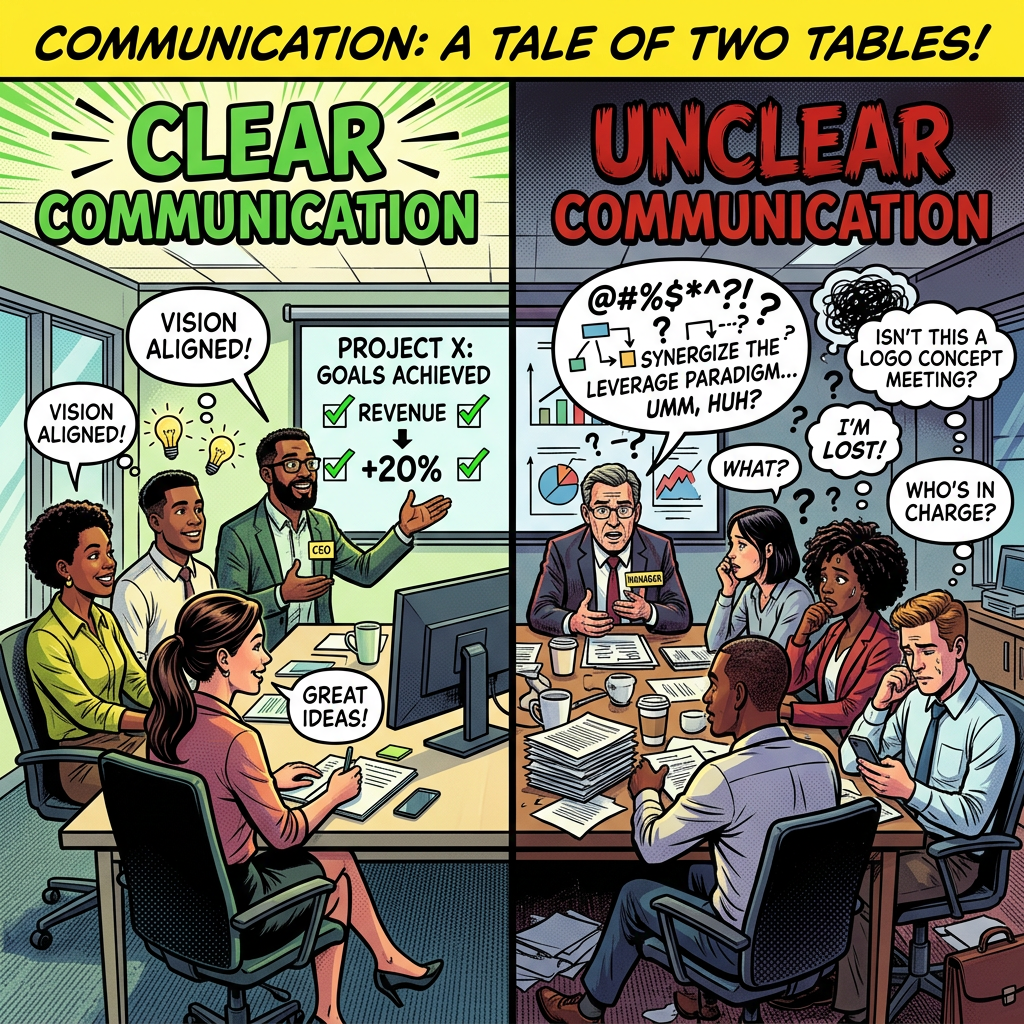
Dr. Stephanie Diana Eubank highlights the importance of clear communication, especially for neurodivergent individuals, in fostering effective organizational feedback cultures. Many businesses fail to align their stated values with actual practices, leading to disengagement. Promoting psychological safety and direct communication is essential for enhancing innovation and trust within teams.
-
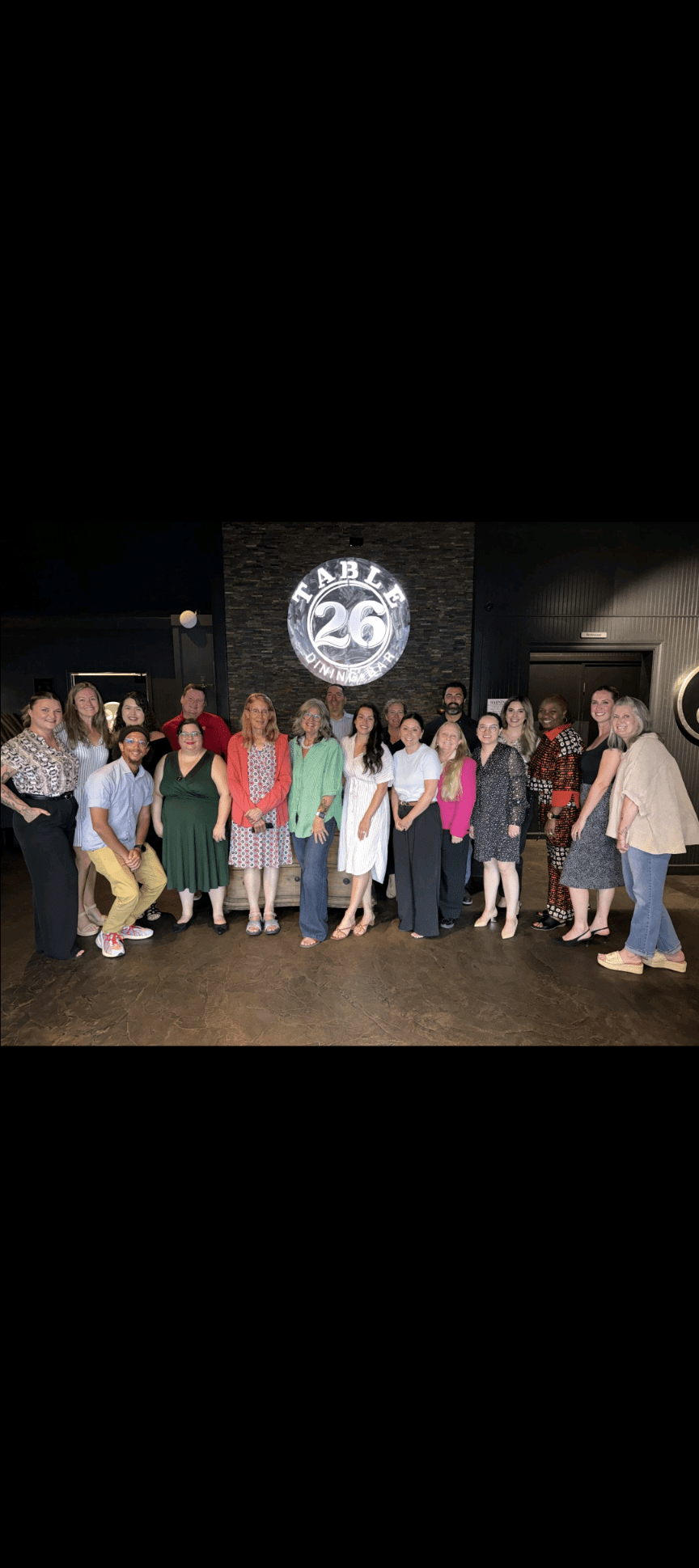
Dr. Stephanie Diana Eubank expresses gratitude to E. & J. Gallo for their support in enhancing student learning. The Steinbeck Project enables students to apply theory to practice in operations management, fostering critical thinking and professional readiness. This collaboration exemplifies the positive outcomes of partnerships between industry and academia.
-
Dr. Stephanie Diana Eubank has published a book that reflects her extensive experience in operations management and team dynamics. It emphasizes the need for strategic team design in both remote and in-person settings, addressing issues like workplace leadership, mental health, and the misconceptions of remote work. It aims to reshape how organizations approach operations management…
-
The book “Rethinking Operations Management in the Modern Work Era” provides essential guidance for adapting to remote and hybrid work environments. It offers tools for redesigning workflows, fostering inclusive remote spaces, enhancing communication, and developing sustainable systems. The focus is on transforming traditional operations models to thrive in today’s evolving workplace.
-

Dr. Stephanie Diana Eubank emphasizes the need to shift discussions from generational differences in the workplace to systemic leadership issues. She argues that overlooking basic boundaries, such as respecting employees’ time and compensating them fairly, undermines organizational culture and trust. Ethical leadership is crucial for enhancing employee satisfaction and engagement.
-
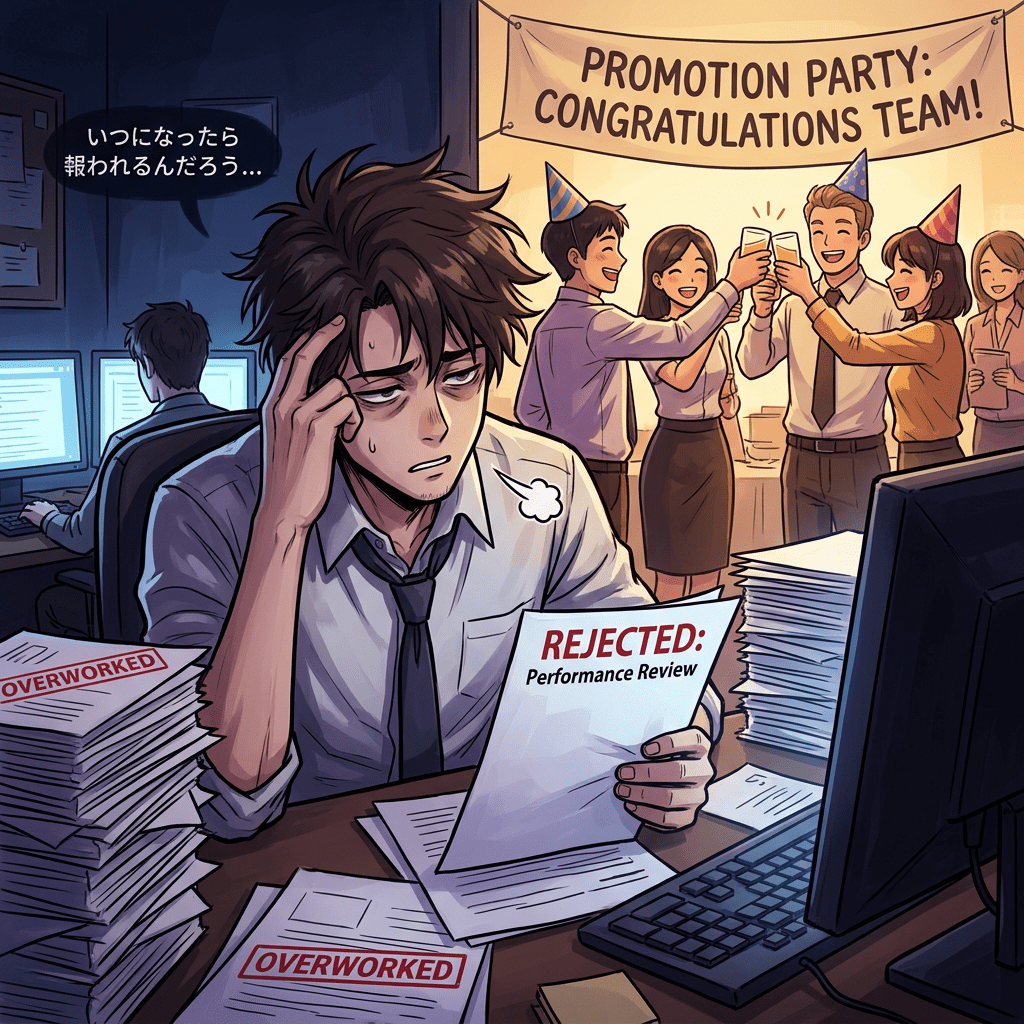
High-performing employees often face an “overperformance trap,” leading to unpaid overtime and burnout due to their reliability and productivity. Organizations may overlook these workers for promotions, mistakenly assuming workloads are manageable. To retain top talent and enhance operational efficiency, leaders must prioritize fair compensation, realistic expectations, and sustainable work practices.
-
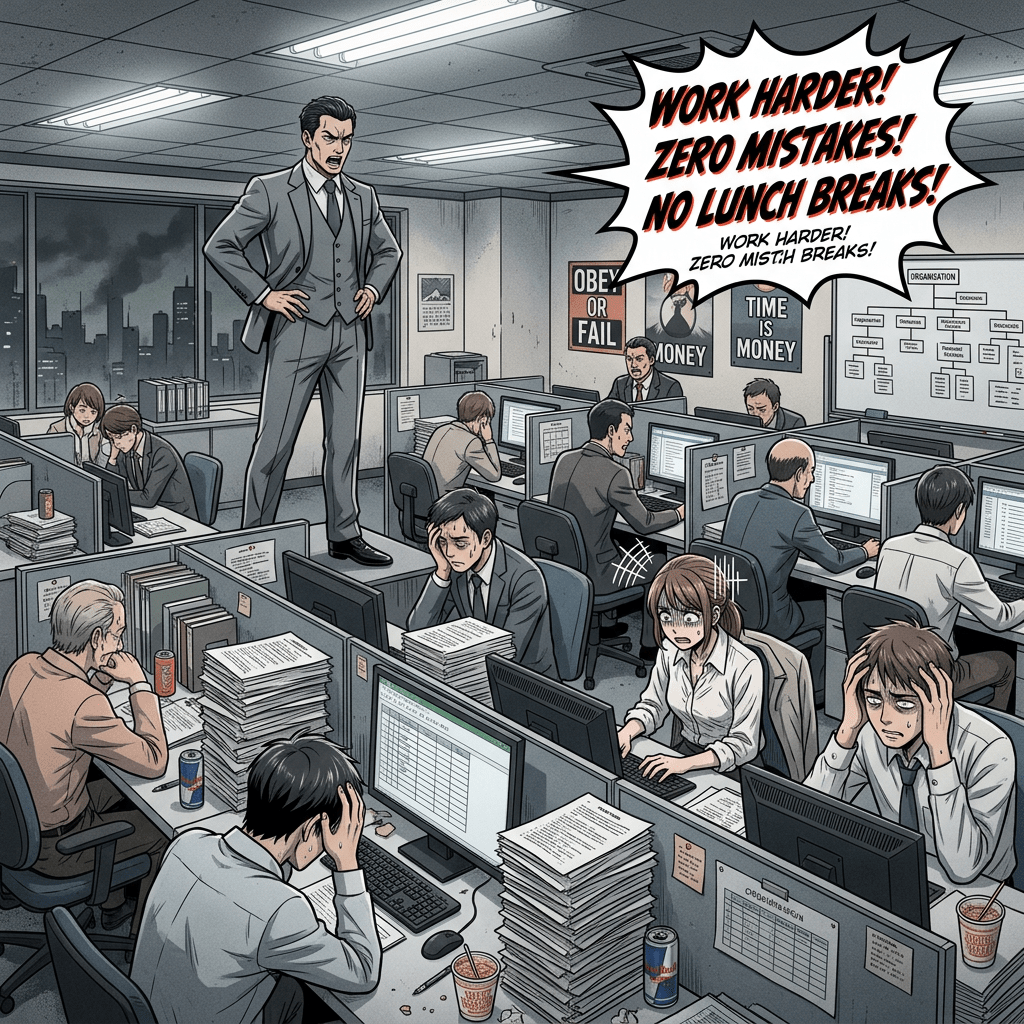
Fear-based leadership, characterized by intimidation and control, creates toxic workplace environments that harm morale, trust, and innovation. This approach can lead to PTSD among employees, increased turnover, and substantial financial burdens. Organizations are urged to adopt trauma-informed leadership models fostering trust and accountability to thrive in today’s workplace.
-
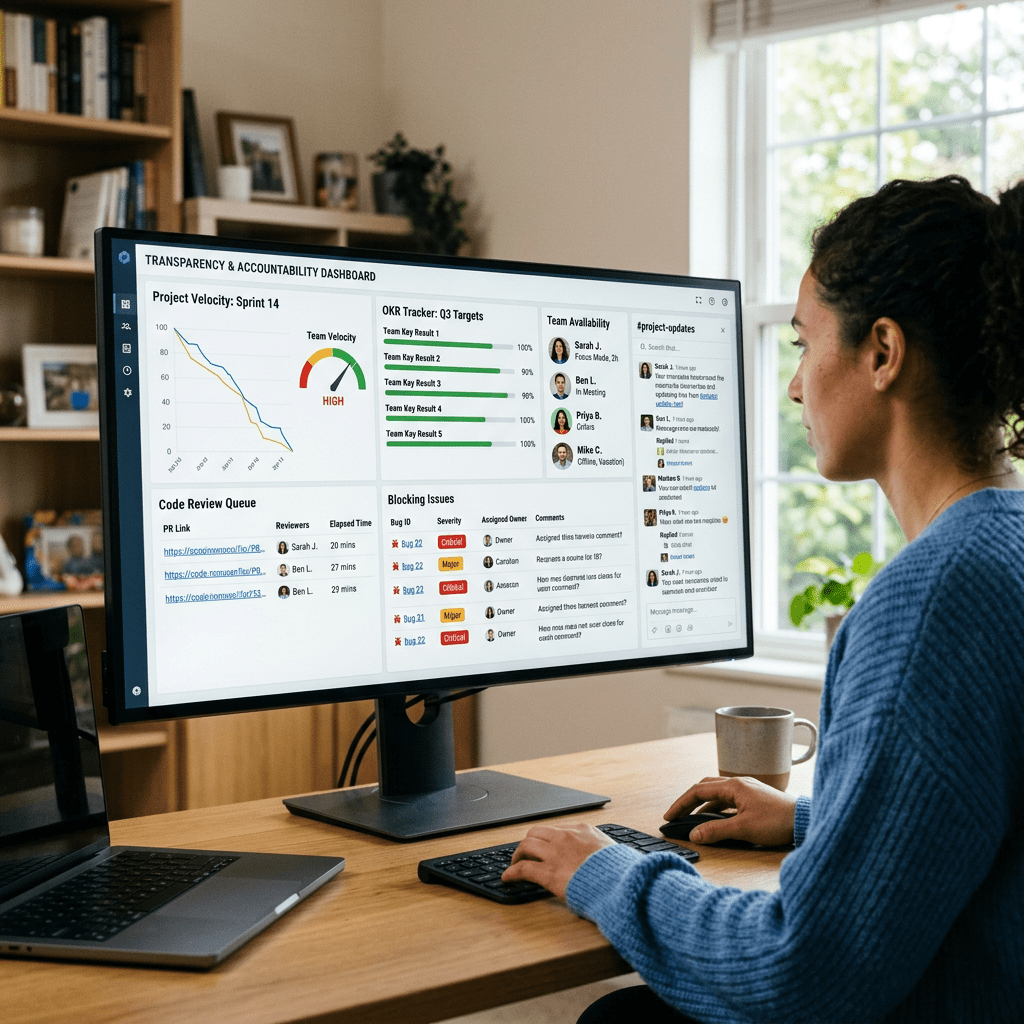
Remote work enhances organizational operations by improving fraud detection and compliance through increased transparency and digital tools. By establishing structured workflows, audit trails, and secure access controls, companies can monitor activities more effectively, reduce fraudulent behavior, and foster accountability among employees. This shift ultimately strengthens both risk management and governance.
-

Workplace PTSD is a growing concern related to psychological trauma from violence, stress, and management practices. It affects productivity and incurs significant costs for organizations. Addressing it requires effective leadership, human-centered management, and mental health strategies. Understanding the link between operational efficiency and employee well-being is crucial for future leaders.
-

Dr. Stephanie Diana Eubank argues that organizations often hinder leadership effectiveness by expecting leaders to also perform individual tasks, a model that reduces focus on crucial leadership activities. This problem leads to declining team performance, employee engagement, and ineffective leadership pipelines. Redesigning leadership roles is essential for sustainable success.

