By: Dr. Stephanie Diana Eubank DBA
For years, I have argued that Microsoft Teams was designed as a collaboration and communication platform, not as a surveillance tool. Yet organizations continue trying to transform communication software into a form of digital bossware. The latest example is Microsoft Places Workplace Check-In, a feature that can automatically update work location information through Teams when employees connect to approved office networks or peripherals.
To be fair, Microsoft specifically states that Workplace Check-In is not a tracking tool and is intended to facilitate collaboration rather than compliance or employee oversight. The feature was developed to help coworkers understand where colleagues are working and to simplify location updates. Nevertheless, some organizations may view the feature as an opportunity to monitor attendance and employee presence rather than improve collaboration.
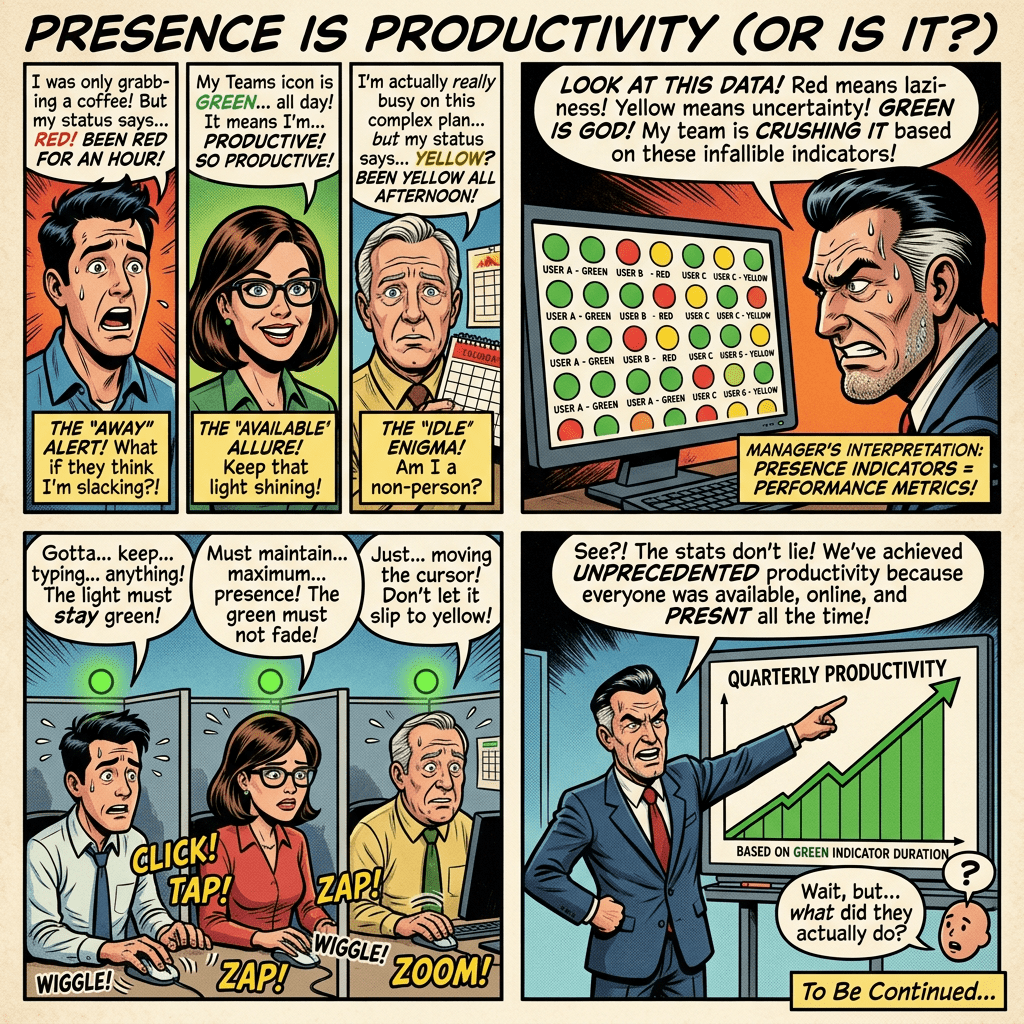
The problem with using Teams as bossware is that it was never designed for accurate productivity measurement. Teams presence indicators frequently fail to reflect actual work activity. For example, employees using Teams primarily on mobile devices may appear as away or unavailable to coworkers using desktop clients, even when they are actively working. Presence indicators are communication signals, not productivity metrics.
Another issue is the behavioral response created by excessive monitoring. Employees who believe management is watching their status indicators may spend valuable time returning to the Teams application simply to keep the presence icon green. Instead of focusing on meaningful work, problem solving, customer service, or innovation, workers can become distracted by maintaining the appearance of activity. Productivity becomes performative rather than outcome based.
Organizations should also remember that employee monitoring technologies have resulted in legal disputes. Several employers have faced challenges over surveillance practices, privacy concerns, and disciplinary actions based on questionable monitoring data. When software designed for communication becomes evidence in employment decisions, organizations can expose themselves to significant legal and reputational risk.
The existence of an entire market of mouse jigglers and similar devices demonstrates another weakness in digital surveillance strategies. These inexpensive products are widely available through online retailers and are specifically marketed to prevent systems from showing idle status. When workers can easily manipulate monitoring signals, organizations gain little meaningful insight while potentially damaging trust and morale.
As discussed in my book, Remote Work Is Here to Stay: Rethinking Operations Management in the Modern Work Era, organizations achieve better outcomes when they focus on both qualitative and quantitative productivity measures. Quantitative metrics can include deadlines met, projects completed, customer response times, or operational results. Qualitative measures can evaluate innovation, teamwork, customer satisfaction, leadership, communication effectiveness, and overall value creation.
Leaders must ask an important question: Are we measuring activity or accomplishment? A green Teams status icon does not tell us whether an employee solved a difficult problem, retained a customer, developed a new process, or improved organizational performance. Meaningful productivity measurement requires context, judgment, and an understanding of outcomes.
Microsoft Teams remains one of the most powerful communication and collaboration platforms available. Its value comes from helping people connect, share information, and work together. Using it as a low-cost substitute for effective management undermines its intended purpose. Rather than turning collaboration software into bossware, organizations should invest in clear expectations, strong leadership, trust, and balanced productivity measurement systems that recognize both quality and quantity of work.
References
Microsoft. (2026). Configure workplace check-in. Microsoft Learn. https://learn.microsoft.com/en-us/microsoft-365/places/configure-auto-detect-work-location
Eubank, S. (2025). Remote Work Is Here to Stay: Rethinking Operations Management in the Modern Work Era. Amazon KDP. https://www.amazon.com/dp/B0H5BPJCHJ
As I prepare for the Academy of Business Research Fall Conference, I look forward to sharing my findings, learning from fellow scholars, and continuing important conversations about the future of leadership, followership, communication, and productivity in remote work environments. I hope to see many of you at the conference, and I invite you to check out my new book on Amazon as we continue exploring the future of work together.
Conference Information
Academy of Business Research Fall Conference Online
July 30–31, 2026
Registration: https://www.aobronline.com/
Book Information
Remote Work Is Here to Stay: Rethinking Operations Management in the Modern Work Era
Available on Amazon: https://www.amazon.com/dp/B0H5BPJCHJ
If you enjoy this content like and subscribe. Additionally, if you are interested in consulting services, please feel free to reach out to me through my social media channels. Remember remote is here to stay.
YouTube: https://www.youtube.com/@Wickedbofthewest
Website: wickedbofthewestremoteconsulting.com
Facebook: https://www.facebook.com/WickedBoftheWestBusinessConsulting
Instagram: https://www.instagram.com/wickedbofthewestconsulting/
Blog: drstephaniebeardbaremoteresearch.org
LinkedIn: https://www.linkedin.com/in/stephanie-diana-eubank-dba/
TikTok: https://www.tiktok.com/@stephanie.eubank6
New Website: wickedbofthewestconsulting.com
Email: Drstephaniedeubank@wickedbofthewestconsulting.com or stephaniedeubank@gmail.com
TikTok: @stephaniedianaeubank
New Website: wickedbofthewestconsulting.com
Also, be sure to check out my first textbook on Operations Management. The book is titled “Remote Work Is Here to Stay: Rethinking Operations Management in the Modern Work Era.” You can purchase the textbook on Amazon at the link below.
 Wicked B of the West Business Consulting
Leave a comment