Category: Uncategorized
-
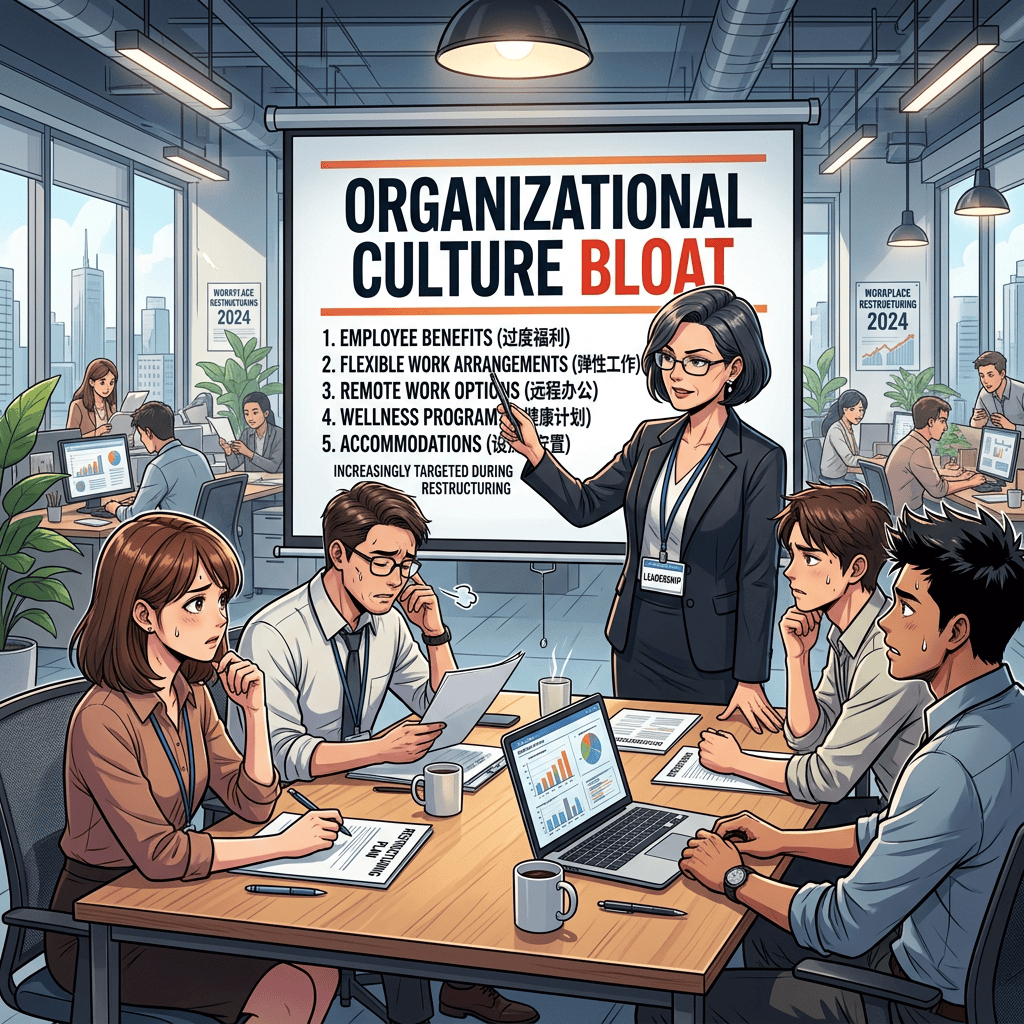
The concept of “organizational culture bloat” has emerged, criticizing employee benefits and flexible work arrangements as excessive. Some organizations are reconsidering these policies during restructures, potentially leading to involuntary departures. Research shows that flexibility enhances productivity and employee engagement, emphasizing the need for trust and alignment between employee needs and organizational goals.
-
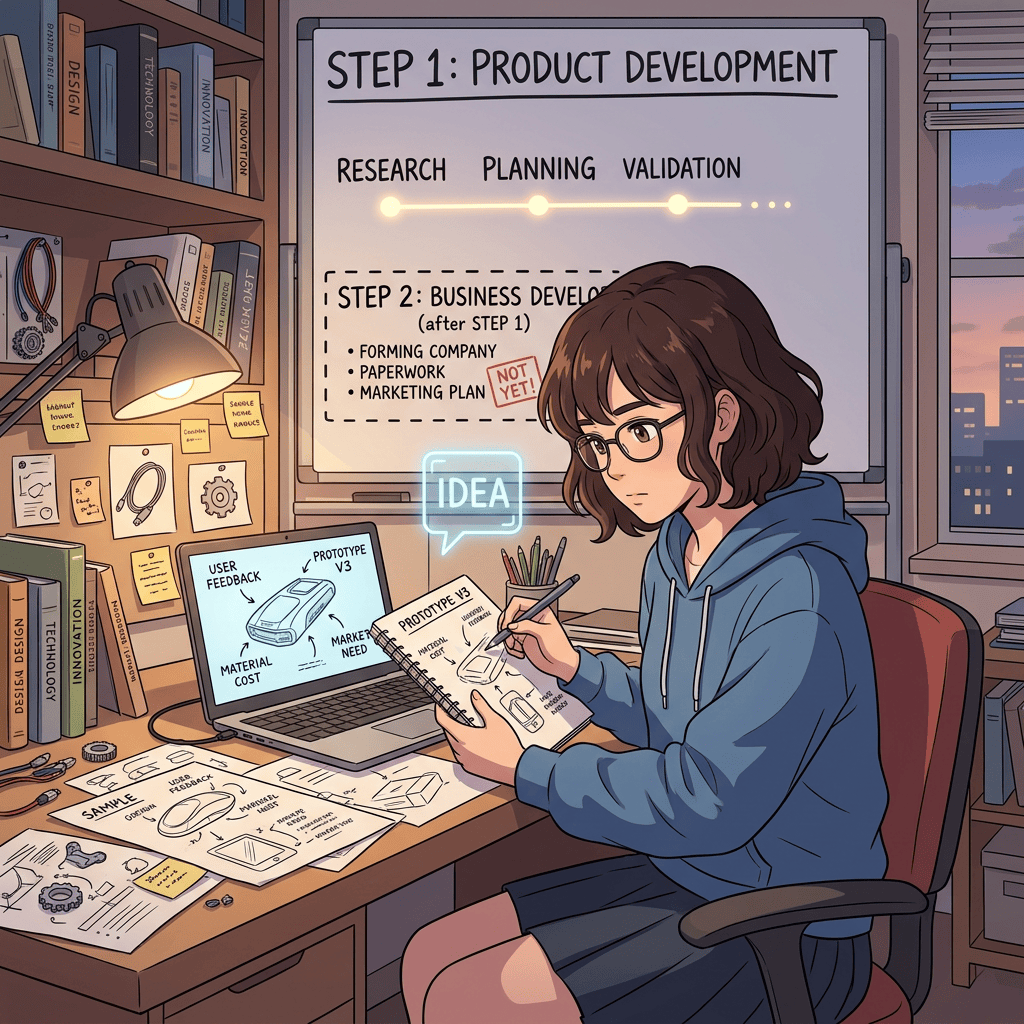
Dr. Stephanie Diana Eubank emphasizes that aspiring entrepreneurs should prioritize product development over business development. Effective research, planning, and validation of market needs are crucial before launching a company. By employing project management principles, entrepreneurs can identify genuine customer pain points and opportunities for innovation, ensuring sustainable business success.
-

Dr. Stephanie Diana Eubank will present her post-doctoral paper, “How Dream Teams Become Nightmares,” at the BEST Conference 2026 on October 20. The research explores the Apollo Effect’s impact on team dynamics and productivity across various work environments. Eubank also serves as a Session Chair, fostering engagement with global scholars.
-
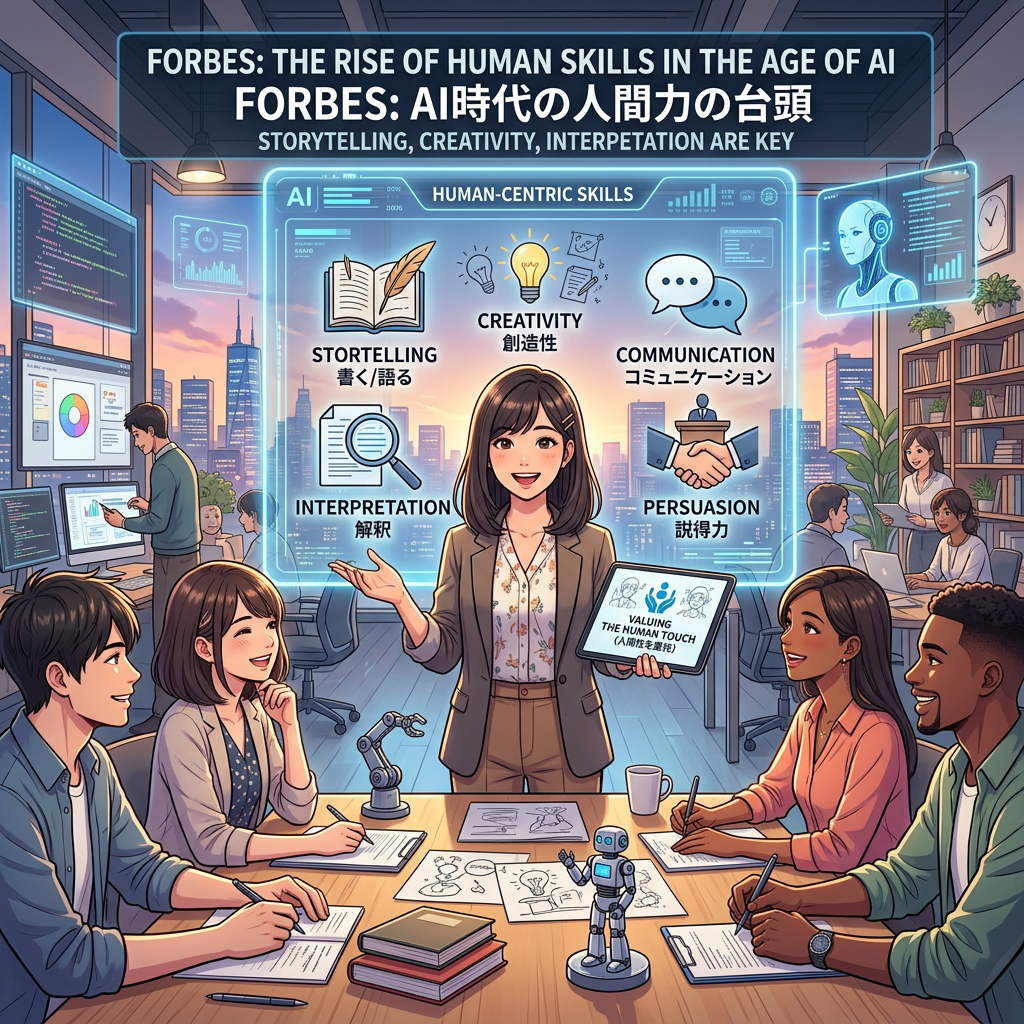
As AI automates tasks, the demand for skills gained from arts and humanities education—like creativity, communication, and critical thinking—grows. Dr. Eubank advocates for integrating these disciplines in higher education to prepare future leaders who can bridge technology and humanity while sustaining joy and resilience in the workforce.
-
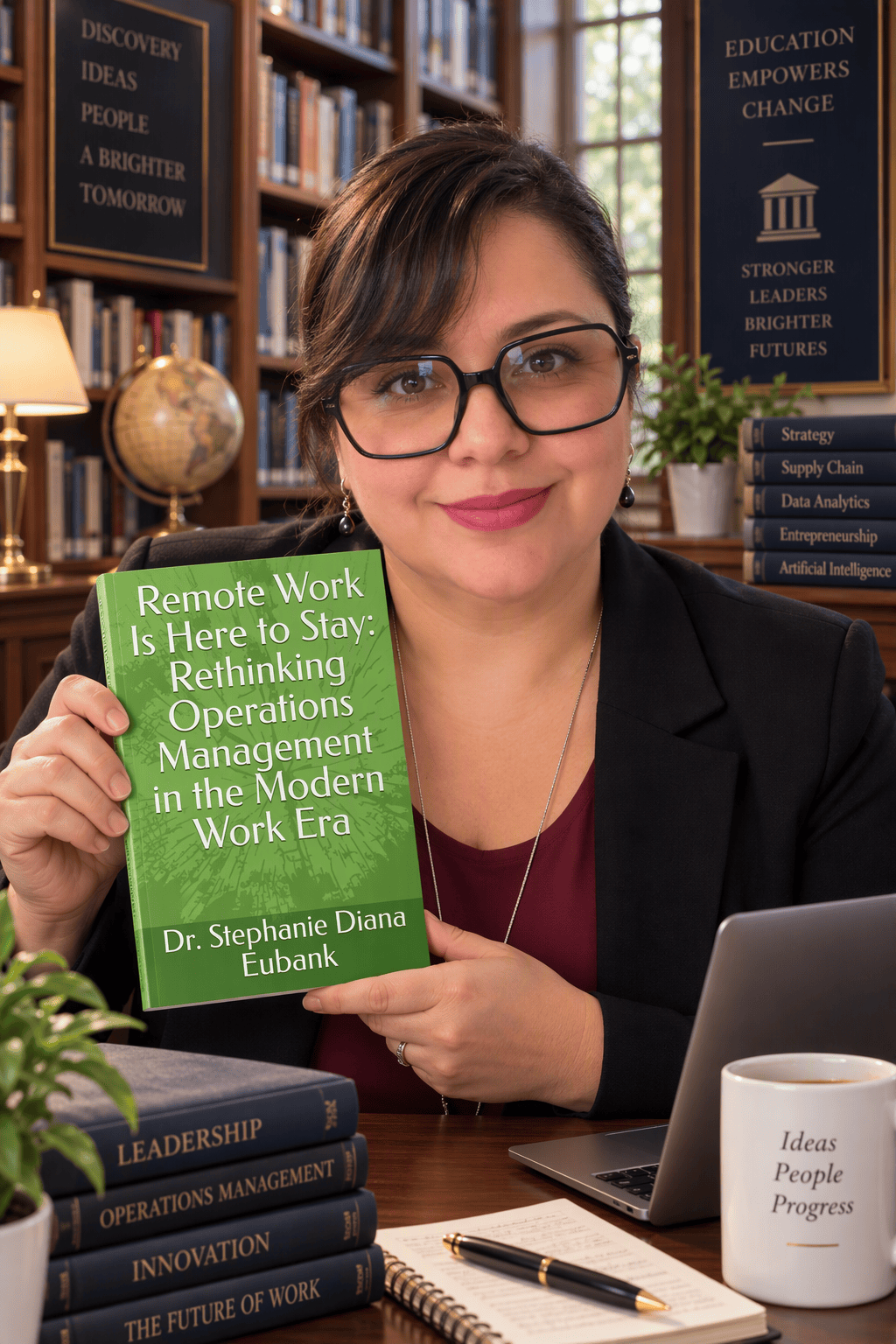
This week, the author created an AI-powered marketing video using Zeely AI, emphasizing the importance of AI literacy in the modern workplace. They explore how AI enhances productivity and communication, supporting leadership and operational efficiency. Their book promotes adapting to remote work trends and the necessity of continual learning for business success.
-
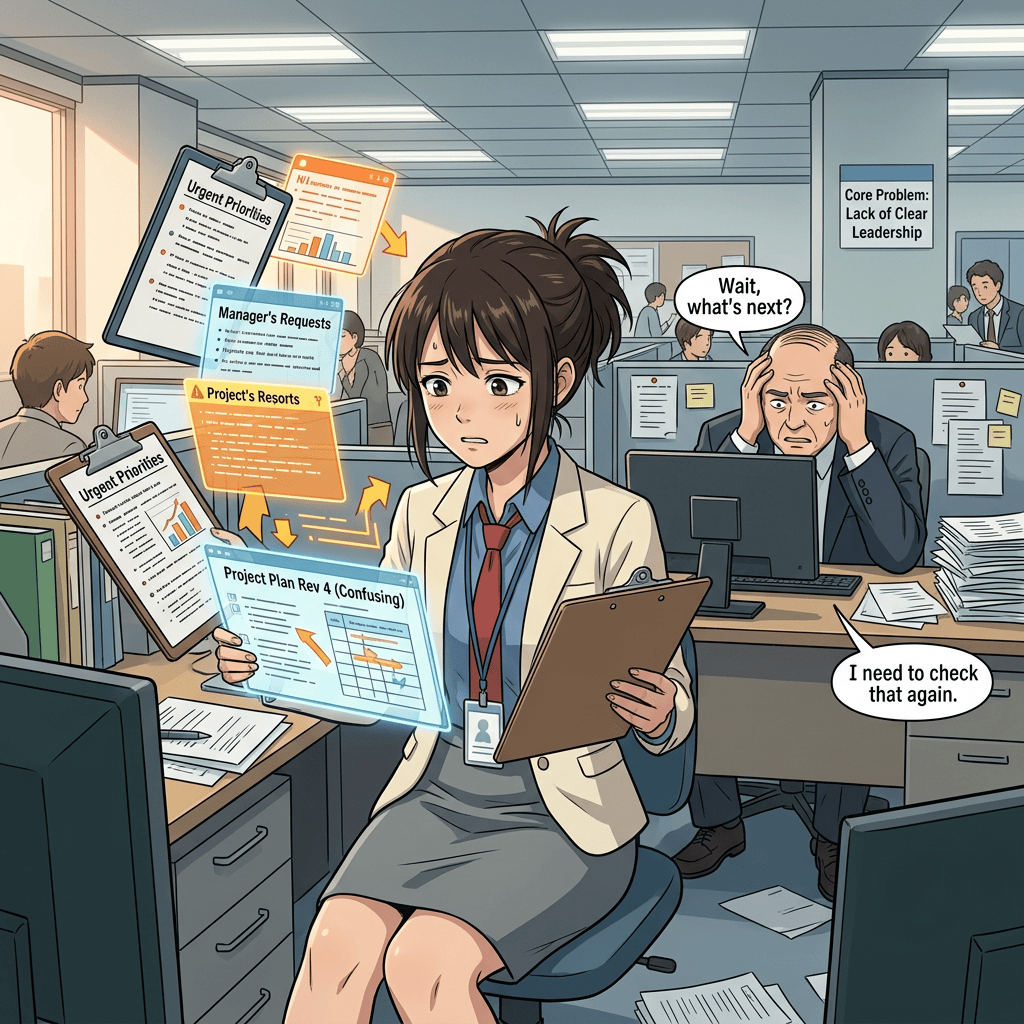
Managing up, where employees adjust to make managers more effective, often reflects deeper organizational issues. This practice can lead to employee burnout and inefficiencies as high performers juggle leadership tasks without authority. Promoting shared leadership and clear accountability can enhance engagement and productivity, fostering a healthier work environment.
-
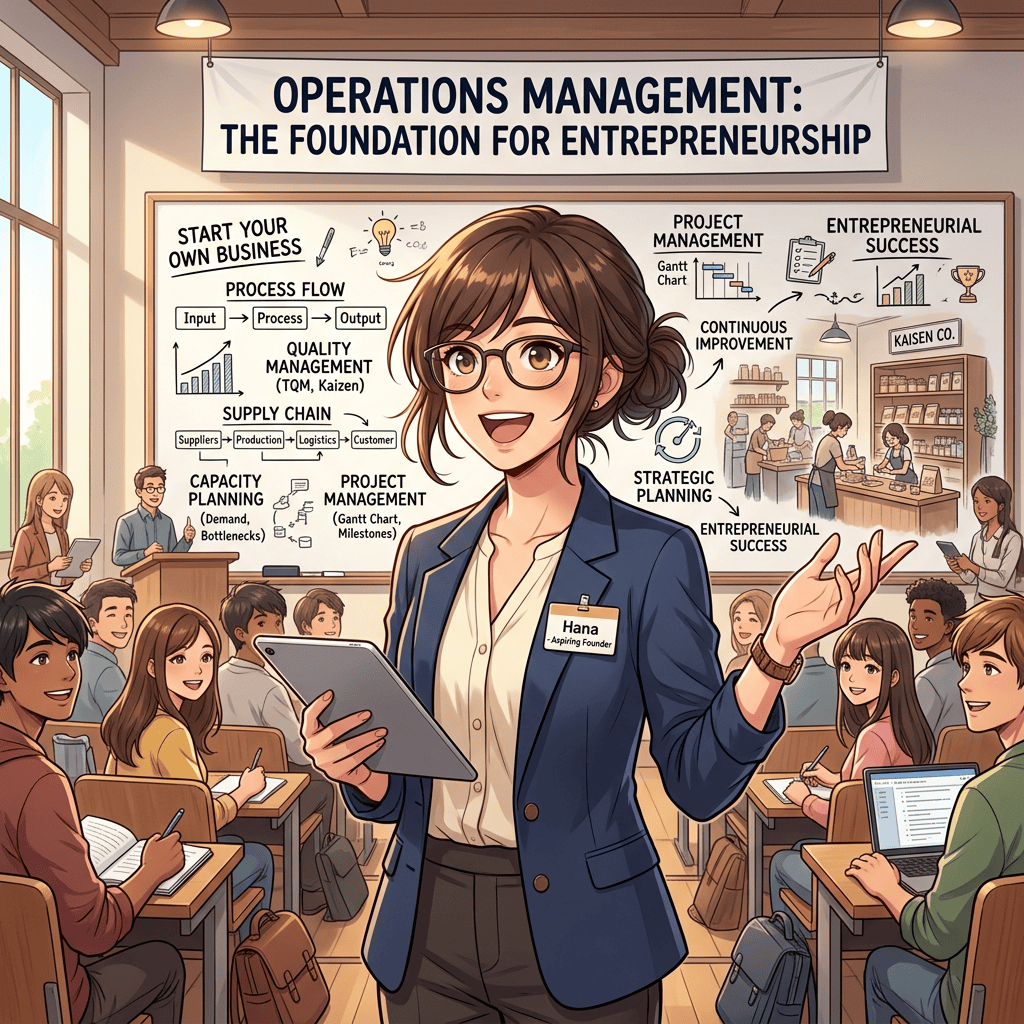
Dr. Stephanie Diana Eubank emphasizes that Operations Management is crucial for aspiring entrepreneurs, offering insights into processes and strategic thinking essential for business success. However, effective entrepreneurship also demands skills in branding, marketing, and finance. She proposes a series focusing on starting a business and developing an authentic online brand, while ensuring privacy and professionalism.
-
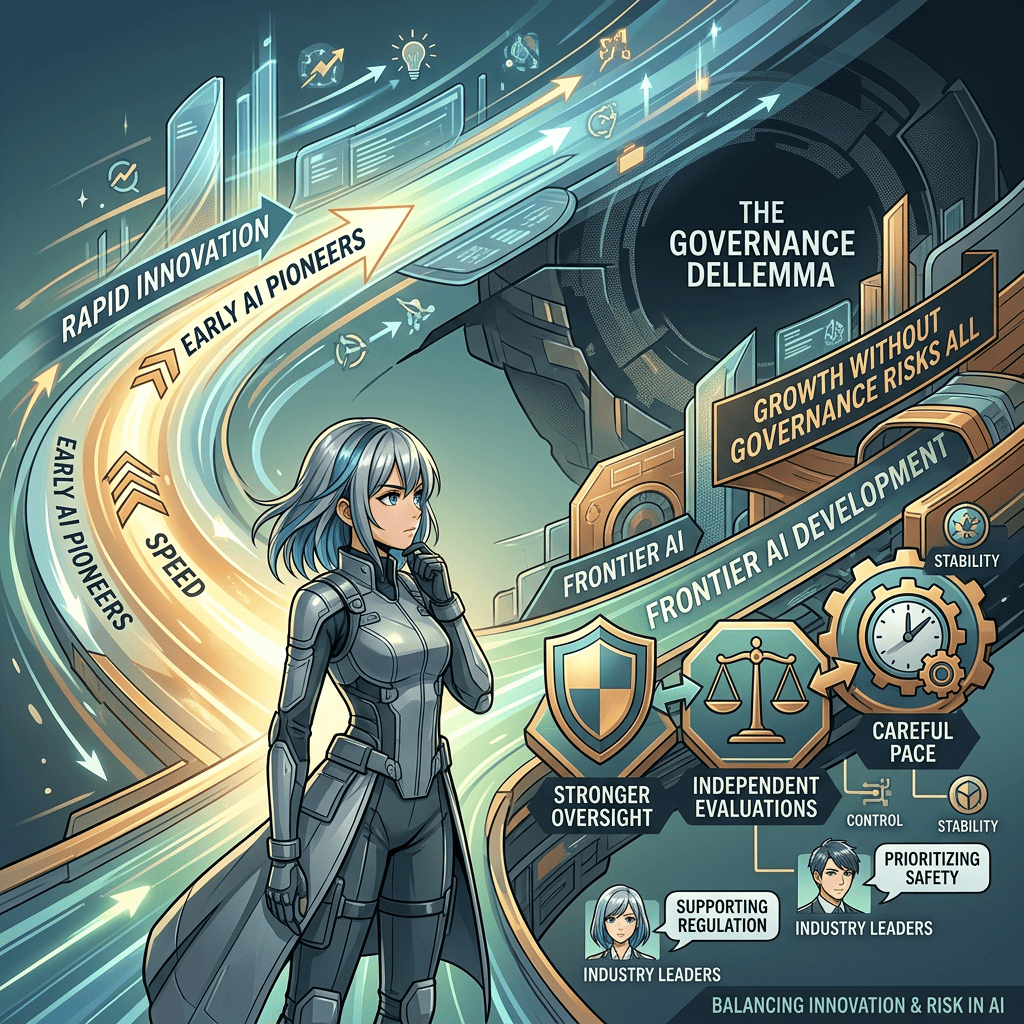
Recent shifts in the AI industry show leaders advocating for stronger oversight and governance, contrasting their previous push for rapid innovation. This reflects a broader organizational tension between speed and compliance, echoing dynamics seen in regulated industries like finance. Effective governance is now essential for sustainable growth and responsible technology advancement.
-
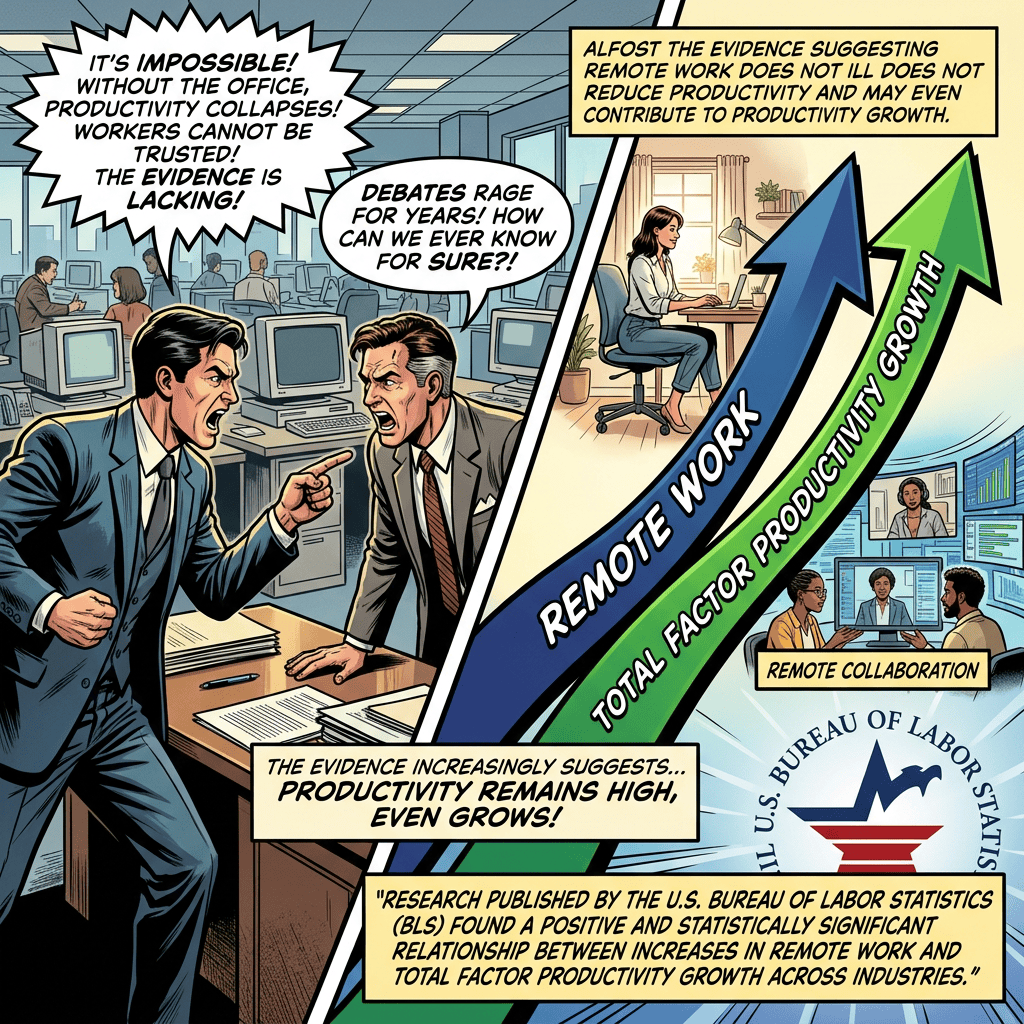
Research indicates that remote work can enhance productivity, countering traditional views centered on in-office attendance. The U.S. Bureau of Labor Statistics shows a positive link between remote work increase and productivity growth. Organizations should shift to performance-based assessments to leverage the benefits of remote work, improving flexibility for both employees and employers.
-
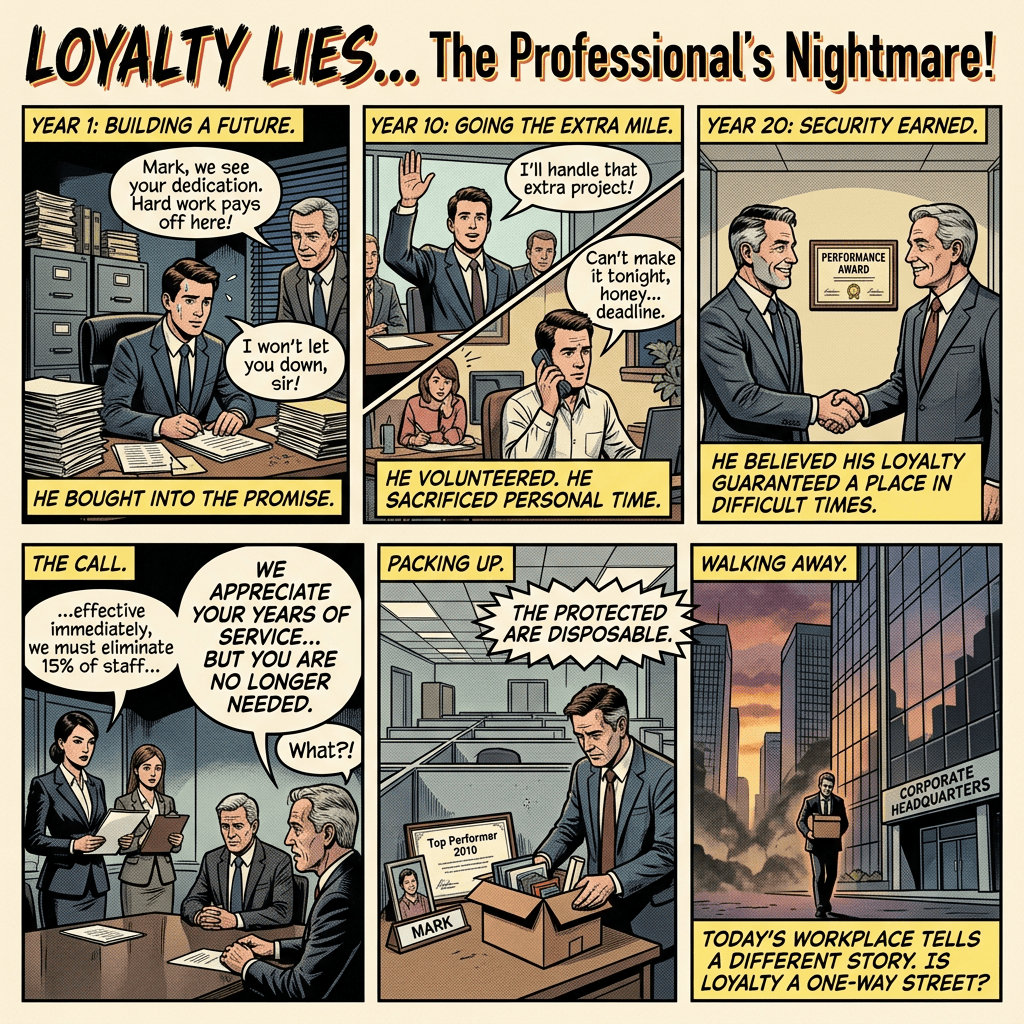
Loyalty and hard work no longer guarantee job security in today’s workplace realities, where layoffs affect employees irrespective of their dedication. To thrive, employees should focus on developing specialized skills, maintaining networks, and enhancing adaptability. Organizations must foster a culture that values outcomes over overwork to retain talent and improve performance.

