By: Dr. Stephanie Diana Eubank DBA
In many organizations, employees are encouraged to “manage up.” While this concept is often presented as a professional skill, it may actually be a symptom of a deeper organizational problem.
Managing up is typically defined as the practice of employees adapting their communication, work style, and behavior to help their managers be more effective. While developing strong working relationships is important, managing up becomes problematic when employees are expected to compensate for ineffective leadership.
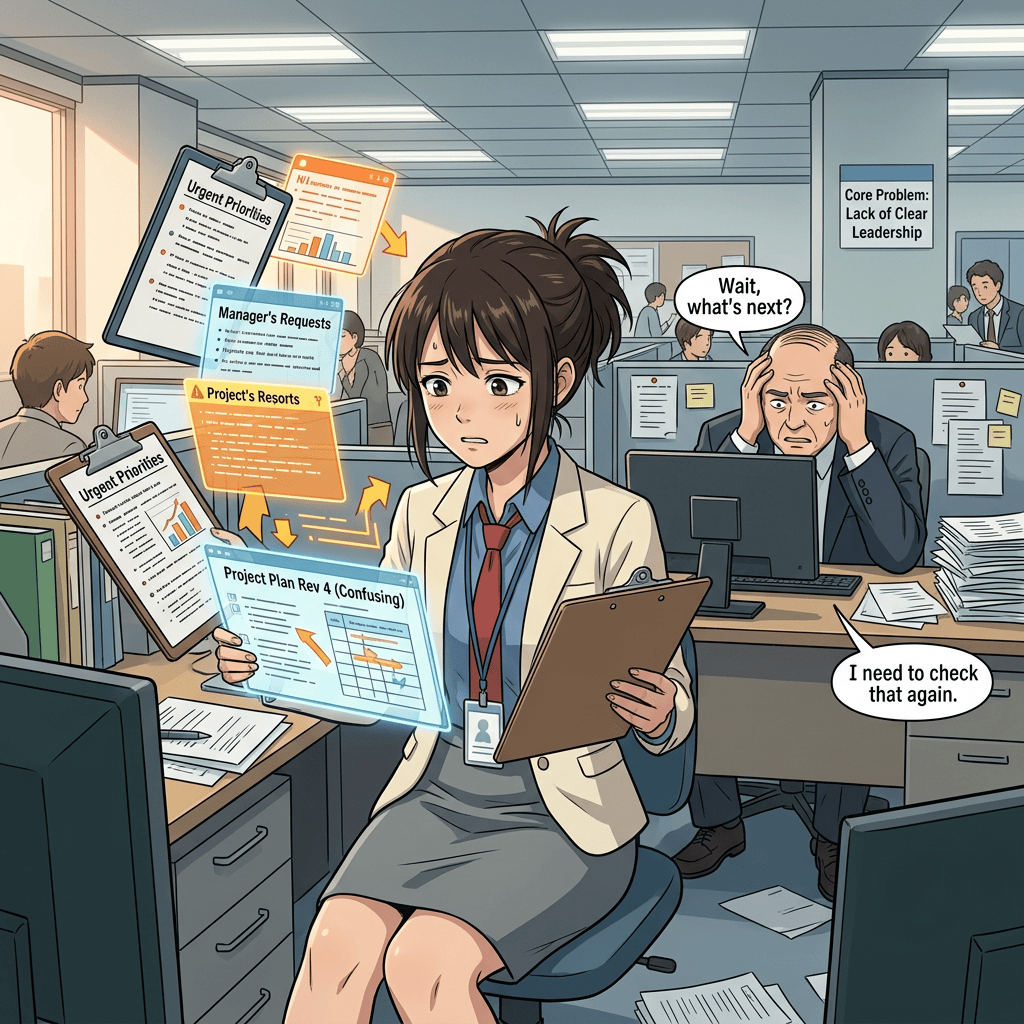
Too often, organizations use managing up as a substitute for leadership accountability. Rather than addressing management deficiencies directly, companies shift responsibility onto their highest-performing employees. Since managers can be difficult to evaluate, coach, or replace, organizations frequently place the burden on workers who are easier to manage and measure. In effect, high performers are expected to do their jobs and manage their managers at the same time.
This approach creates a hidden productivity tax. Employees spend valuable time anticipating managerial needs, clarifying unclear expectations, following up on forgotten tasks, resolving communication gaps, and navigating unnecessary bureaucracy. Instead of focusing on innovation, customer service, problem-solving, and operational excellence, employees become unofficial management support staff.
The result is declining morale. High-performing employees often become frustrated when they are required to carry leadership responsibilities without having leadership authority, compensation, or recognition. Over time, this can create burnout, disengagement, reduced trust, and increased turnover.
From an operations management perspective, managing up also introduces inefficiencies into organizational systems. Good processes should reduce friction. However, organizations that rely on managing up frequently institutionalize dysfunction by making employees responsible for overcoming leadership obstacles instead of removing those obstacles.
One potential solution is adopting shared leadership principles, which can be easier to implement in remote and hybrid work environments. Contrary to common misconceptions, remote work often encourages organizations to focus on outcomes rather than hierarchy. When work is transparent and documented, leadership becomes more distributed and employees can contribute their expertise without excessive managerial gatekeeping.
Steps to Reduce Managing Up Through Shared Leadership
1. Focus on outcomes rather than visibility.
Measure performance through results instead of managerial impressions and office politics.
2. Document processes and decisions.
Shared documentation reduces dependency on a single manager for information.
3. Clarify roles and accountability.
Managers should be responsible for leadership functions, while employees should be empowered to perform their designated roles.
4. Encourage expertise-based leadership.
The person with the most relevant knowledge should have influence regardless of job title.
5. Increase transparency.
Use collaborative tools that make priorities, deadlines, and decisions visible to the entire team.
6. Create feedback loops.
Employees should be able to provide upward feedback without fear of retaliation.
7. Develop managers continuously.
Leadership training should focus on coaching, communication, trust-building, and accountability.
Organizations that move away from managing up and toward shared leadership often experience higher levels of engagement, productivity, innovation, and trust. Instead of forcing employees to compensate for leadership weaknesses, effective organizations build systems that support both managers and employees in achieving shared goals.
How Wicked B of the West Business Consulting Can Help
At Wicked B of the West Business Consulting, we specialize in helping organizations design sustainable systems for remote and hybrid work. Services include remote work development, remote leadership training, business design and development, process and systems design, workforce development, organizational development consulting, assistive technology accommodations, leadership development, and future-of-work consulting.
Book Spotlight
Remote Work Is Here to Stay: Rethinking Operations Management in the Modern Work Era
Available on Amazon: https://www.amazon.com/dp/B0H5BPJCHJ
As businesses continue adapting to changing work environments, operational excellence and effective remote leadership remain critical skills for success.
Thank you for reading. If you enjoy this content, like and subscribe. If you are interested in consulting services, please feel free to connect with me through my social media channels.
Remember: Remote is here to stay.
Website: wickedbofthewestconsulting.com
YouTube: https://www.youtube.com/@Wickedbofthewest
Facebook: https://www.facebook.com/WickedBoftheWestBusinessConsulting
Instagram: https://www.instagram.com/wickedbofthewestconsulting/
LinkedIn: https://www.linkedin.com/in/stephanie-diana-eubank-dba/
Company LinkedIn: https://www.linkedin.com/company/wicked-b-of-the-west-business-consulting
TikTok: @drstephanieeubank
Blog: drstephaniebeardbaremoteresearch.org
Email: wickedbofthewestconsulting@gmail.com


Leave a Reply