Wicked B of the West Business Consulting
Welcome to Wicked B of the West Business Consulting
Welcome to Wicked B of the West Business Consulting. I’m Dr. Stephanie Diana Eubank, founder and strategic consultant with over two decades of experience in business analytics, operational leadership, and organizational development across the financial and higher education sectors.
My passion lies in designing inclusive, future-ready workplaces. I specialize in developing remote work infrastructures and remote leadership training programs that empower diverse teams to thrive. My work includes creating scalable business systems, customized training solutions, and process designs that support both productivity and equity.
A key focus of my consulting practice is integrating assistive technology to accommodate disabled workers, ensuring accessibility and dignity in every workplace. I’ve led initiatives that bridge academic insight with practical implementation, helping institutions and organizations build resilient, adaptive cultures.
Whether you’re a startup, nonprofit, or enterprise, Wicked B of the West is here to help you reimagine leadership, redesign systems, and build a workplace where everyone belongs.
Category: Uncategorized
-

Professional isolation is increasingly affecting remote workers, leading to feelings of disconnection due to reduced visibility and fewer opportunities for growth. It negatively impacts job performance and well-being. Strategies for employees and leaders include regular communication, enhancing visibility, fostering connections, and encouraging mentorship to combat this isolation.
-
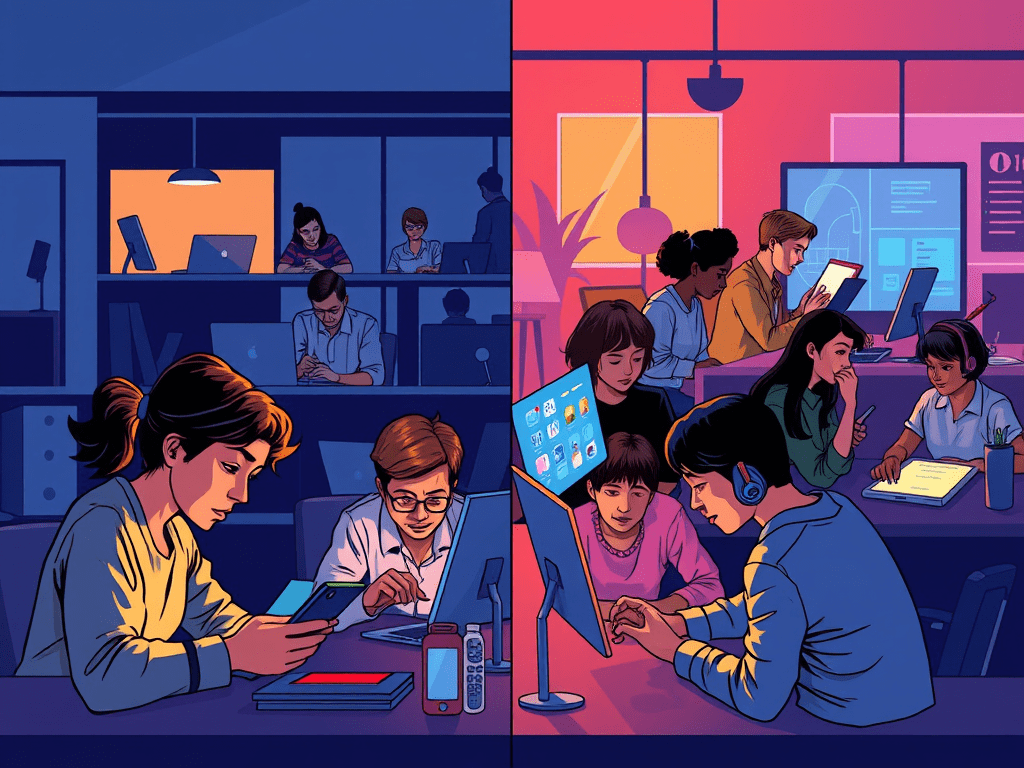
Informational isolation affects remote and hybrid employees, leading to reduced quality and spontaneity in communication, which impairs knowledge sharing and organizational cohesion. As remote work becomes permanent, organizations must address this to prevent confusion, reduced innovation, and employee disengagement, especially among marginalized groups outside central locations.
-

The modern workplace faces a heightened understanding of isolation, expanding from three traditional forms to include deeper social and emotional gaps due to remote work dynamics. Leaders and employees must actively address these complexities through enhanced communication, meaningful interactions, and proactive engagement strategies to improve mental health and organizational performance.
-
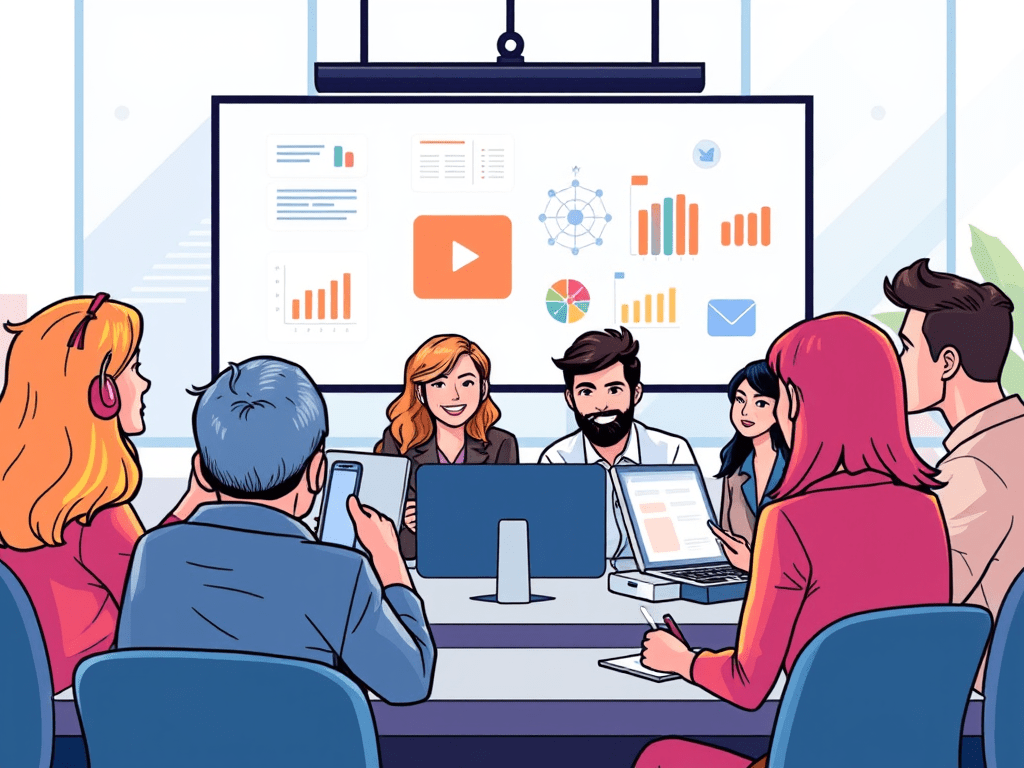
Post-COVID, businesses and schools face challenges in reading comprehension and engagement, especially in remote work settings. AI provides multimodal learning solutions, enhancing retention and accessibility. By integrating visual, audio, and interactive elements, organizations can create inclusive training programs that improve collaboration and adaptability, essential for a thriving hybrid workforce.
-

Dr. Stephanie Diana Eubank highlights the prevalence of remedial English courses for students at top universities, emphasizing gaps in academic writing and reading comprehension. She advocates for business involvement through initiatives like book clubs and mentorship to enhance communication skills, fostering better employee performance and organizational success through collaborative learning.
-
In mentoring undergraduates, Dr. Stephanie Diana Eubank highlights concerns about graduates appearing ‘less polished’ in professionalism. A significant percentage of hiring managers find recent graduates unprepared, citing issues like poor behavior and attire. Eubank suggests mentorship strategies to help students adapt to workplace expectations while respecting generational differences in professionalism.
-

Organizations often perceive camera-on policies as surveillance, harming trust and morale. Visual scrutiny disproportionately affects women, exposing them to unrealistic beauty standards. Remote work emphasizes comfort and performance, promoting optional camera use and casual attire. Leaders should foster an inclusive environment, allowing flexibility to support all team members effectively.
-

Dr. Stephanie Diana Eubank discusses the nuanced view of micromanagement in organizations. While often seen as toxic, strategic micromanagement can enhance employee performance and accountability in specific circumstances. Effective implementation involves selective oversight, clarity in expectations, and fostering open communication, balancing autonomy with necessary guidance to boost trust and engagement.
-

Recent discussions highlight a perceived ambition gap between women and men, driven by diminishing corporate support for women’s advancement, particularly amidst DEI rollbacks. Despite widespread commitment to careers, women face challenges in promotions due to reduced sponsorship and remote work penalties. Addressing structural barriers can renew women’s pursuit of leadership roles.
-
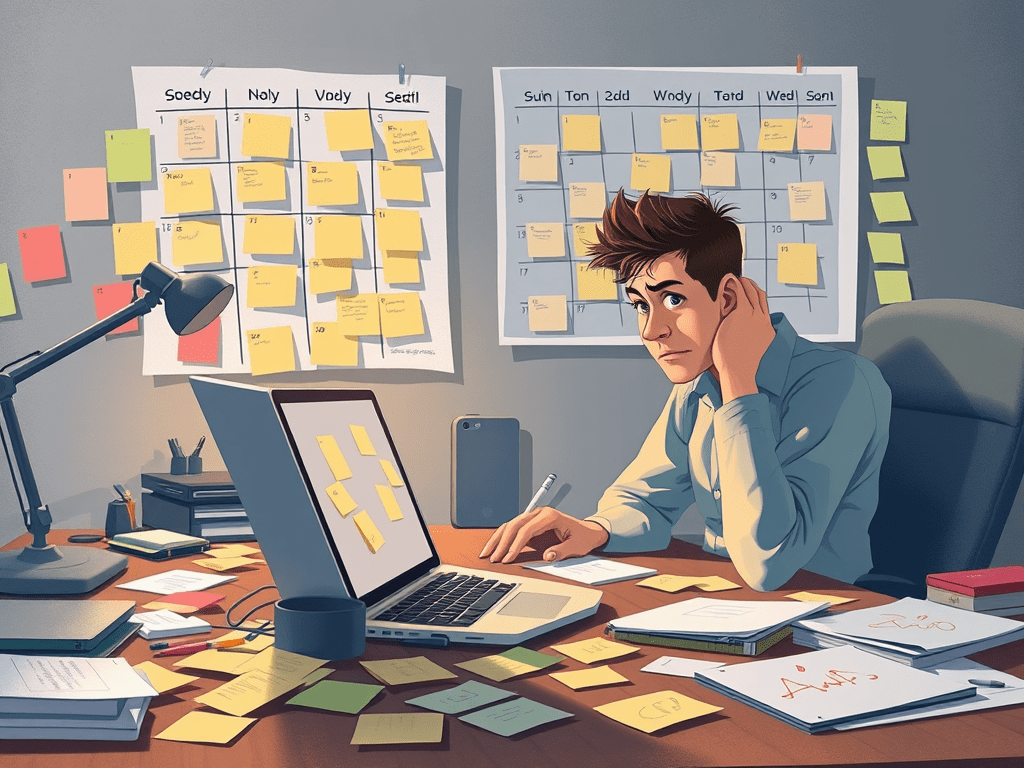
Excessive meetings can hinder productivity and lower morale, especially for remote workers. Leaders should prioritize meaningful communication over meetings, fostering trust and rapport through informal check-ins. By utilizing clear agendas, asynchronous tools, and actively seeking feedback, organizations can enhance engagement and create a supportive culture that values individual contributions.
 Wicked B of the West Business Consulting